As we head deeper into late summer, there's been plenty to keep us busy, and I suspect we are not the only ones.
We've spent considerable time this month clearing around the hives. The late summer flowers have been magnificent, but some of our colonies were practically hidden behind towering wildflowers. Several hive entrances were getting restricted, which isn't ideal when the bees are working overtime bringing in the last major nectar flows of the season.
It's always a bit of a balancing act; we want to keep the flowers nearby for forage, but not at the expense of easy hive access. We've found that creating clear pathways of a couple of feet in front of each entrance works well. The bees seem to appreciate the compromise, and it has also made our inspection routine much smoother.
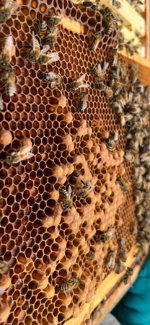
This month's hive checks revealed a few issues that needed immediate attention. We discovered some colonies with drone layers, which is always frustrating to find, especially at this time of year. Where we had strong laying queens available, we were able to requeen successfully. A couple of the weaker colonies had to be combined with stronger neighbours because with winter preparation on the horizon, we can't afford to carry weak colonies through the colder months.
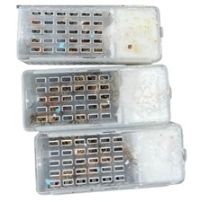
And then there are the wasps – they're really starting to make their presence felt now. We've noticed increased activity around our apiaries, particularly targeting the weaker colonies. We have already reduced some of the larger entrances to help the guard bees defend more effectively and we're going to deploy some wasp traps around the most vulnerable hives. Our well-stocked hives suddenly become very attractive targets for opportunistic wasps looking for easy pickings.
This month we have also been providing customers with some queens. There may be a few more in August but we tend to find people wind down with their requests by September.
As we move into next month, we'll be making some critical decisions about varroa management and autumn feeding. The mite counts are due for checking, and we'll need to determine whether treatment is necessary before the winter bees start developing. Some colonies that went through the drone layer episode may need feeding to supplement their stores going into winter.